Ledger Live Update: Firmware and Application Versions
Ledger Live update functionality keeps the application and connected hardware current with the latest security improvements and feature additions. The Ledger Live update process handles both software-side application versions and hardware-side firmware versions, with each type of update following its own workflow while flowing through the same Ledger Live interface that users access for all their crypto management activities.
Regular Ledger Live updates matter beyond just getting new features, since updates close known vulnerabilities as developers discover and patch them. Users running outdated versions miss security improvements that newer releases provide, with the cumulative protection gap growing larger over time as more updates accumulate without being installed.
This overview examines the Ledger Live update system across both application and firmware aspects. The breakdown explains how each update type works, what triggers updates, and how users navigate the update process across their various devices and installations of the Ledger Live application.
Ledger Live Update Fundamentals

Ledger Live update fundamentals establish the basic concepts that distinguish application updates from firmware updates. Understanding the fundamentals clarifies why both types matter separately.
Application Update Concept
Ledger Live update at the application level affects the software running on user computers and mobile devices. The Ledger Live application updates deliver new features, bug fixes, security improvements, and various other changes to the software side of the broader Ledger ecosystem. Application updates don't affect the underlying hardware device or the recovery phrase that controls fund access, with the updates strictly modifying the software that interfaces with hardware.
Firmware Update Concept
Ledger Live firmware update affects the software running inside the Ledger hardware device itself. The Ledger Live firmware update process delivers changes to the device's internal software, with the updates affecting how the device handles cryptographic operations, supports specific blockchains, and various other hardware-level functions.
Update Frequency Patterns
Ledger Live updates patterns vary between application and firmware sides. The Ledger Live application updates relatively frequently as developers release improvements, with new versions sometimes appearing monthly or even more often during active development periods. Firmware updates happen less frequently since hardware changes require more extensive testing before release.
| Ledger Live Update Type | Target | Frequency | Effect |
|---|---|---|---|
| Application update | Software on host | Regular | New features, fixes |
| Firmware update | Hardware device | Periodic | Security, blockchain support |
| App update | Chain-specific apps | Variable | Per-blockchain changes |
| Security patches | Application or firmware | As needed | Vulnerability fixes |
| Feature releases | Application | Scheduled | New capabilities |
| Bug fixes | Application | Regular | Defect resolution |
| Critical updates | Both layers | Urgent | Major issues |
Ledger Live Application Update Process
Ledger Live application update process handles the software-side updates that affect the Ledger Live application itself. Understanding the process clarifies how application updates actually work.
Update Notification System
Ledger Live update notifications appear within the application when new versions become available. The Ledger Live application checks for updates automatically on regular schedules, with the notification system alerting users about available updates without requiring manual version checking.
In-Application Update Installation
In-application update installation handles the Ledger Live update process without requiring users to manually download new installers. The Ledger Live update download happens within the application itself, with the new version downloading in the background while users continue normal operations.
Update Download Issues
Update download issues sometimes affect the Ledger Live update process despite the generally smooth automatic workflow. The Ledger Live download update stuck scenarios sometimes happen due to network connectivity problems, antivirus software interference, firewall restrictions, or various other technical issues that prevent normal download completion.
Ledger Live Firmware Update Process
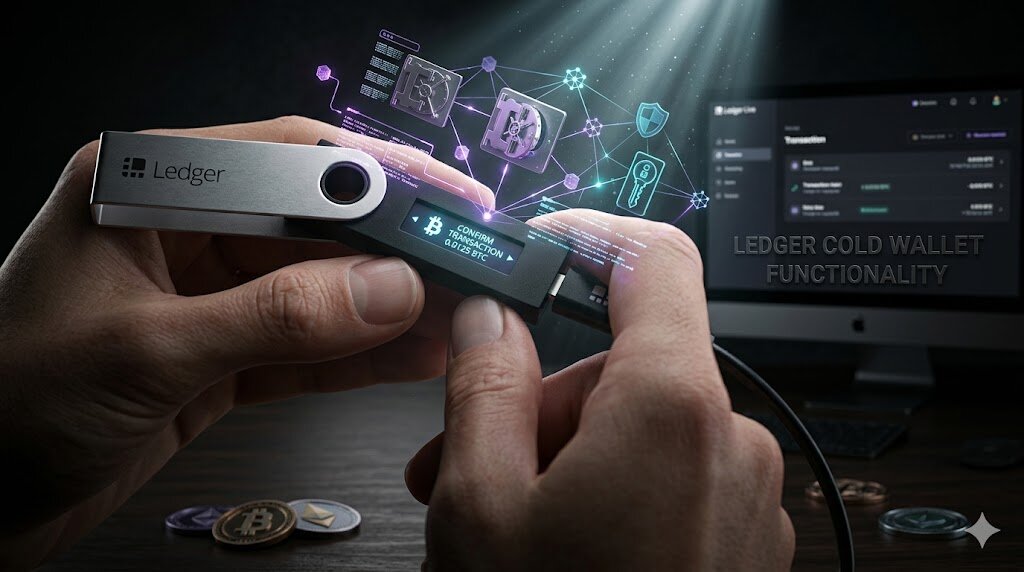
Ledger Live firmware update process handles the hardware-side updates that affect Ledger devices themselves. Understanding the firmware update process clarifies how hardware updates differ from application updates.
Firmware Update Detection
Ledger Live firmware update detection alerts users when new firmware versions become available for their connected devices. The Ledger Live application checks firmware versions during device connections, comparing the device's current version against the latest available firmware.
Firmware Installation Flow
Firmware installation through Ledger Live follows a controlled process that protects the device throughout the update. The Ledger Live update firmware process involves transferring the new firmware from the application to the device, with the secure element verifying cryptographic signatures before installing anything.
Post-Firmware Considerations
Post-firmware considerations affect how users continue with their devices after Ledger Live firmware updates complete. Some firmware updates require uninstalling and reinstalling chain-specific apps that the device manages, with Ledger Live typically handling this reinstallation automatically.
Ledger Live Update Security
Ledger Live update security protects the update process from various threats that could undermine the broader security model. Understanding update security clarifies why the update infrastructure includes specific protections.
Cryptographic Update Verification
Cryptographic update verification protects the Ledger Live update process from tampered files. The Ledger Live update download files carry cryptographic signatures that the application checks before installation, with verification ensuring updates actually came from Ledger rather than impersonators.
Fake Update Recognition
Fake update recognition matters for Ledger Live update security since attackers sometimes distribute malicious software disguised as legitimate updates. The fake Ledger Live download attempts often arrive through email, social media, or compromised websites.
Update Channel Security
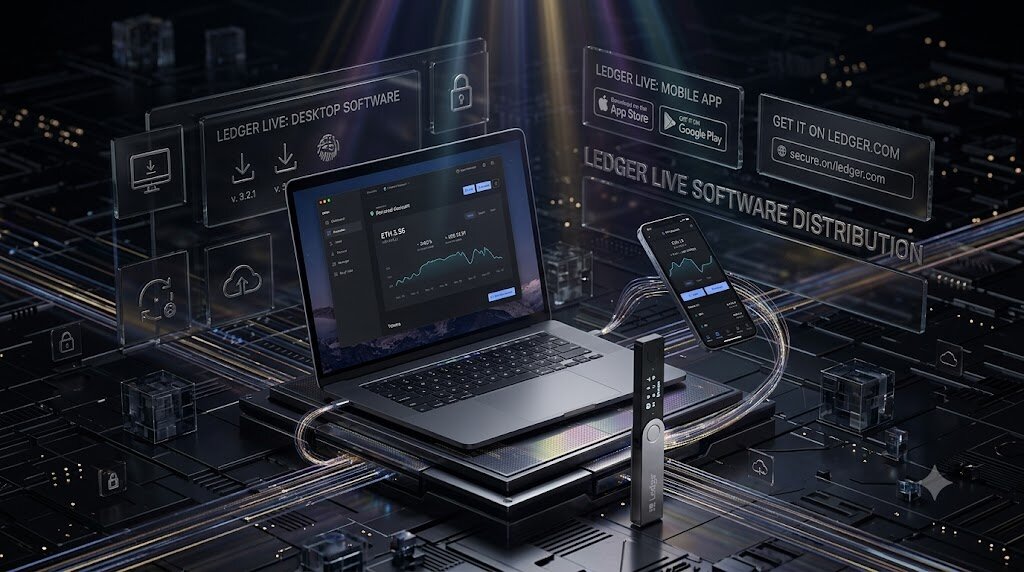
Update channel security ensures Ledger Live updates flow through verified infrastructure. The Ledger Live update distribution happens through Ledger's official infrastructure with cryptographic protections at every step.
The major Ledger Live update considerations include the following:
- Application updates affecting the Ledger Live software on user devices
- Firmware updates affecting the hardware device's internal software
- Chain-specific app updates affecting individual blockchain support
- Automatic update detection through built-in notification systems
- In-application update installation handling technical details
- Manual update approaches for troubleshooting automatic update issues
- Cryptographic verification protecting against tampered updates
- Fake update recognition avoiding malicious external prompts
Ledger Live Update Cross-Platform Behavior
Ledger Live update cross-platform behavior varies somewhat across different operating systems and devices. Understanding cross-platform aspects clarifies how updates work in each environment.
Desktop Update Patterns
Desktop Ledger Live update patterns share core mechanics across Windows, macOS, and Linux while accommodating platform-specific conventions.
Mobile Update Distribution
Mobile Ledger Live update distribution flows through Apple App Store and Google Play Store rather than direct downloads. The Ledger Live app updates on iOS come through the App Store update infrastructure that Apple operates, while Android updates flow through Google Play.
Synchronized Multi-Device Updates
Synchronized multi-device updates affect users running Ledger Live across multiple computers and phones. The Ledger Live update process happens independently on each installation, with users updating each device separately.
Common Ledger Live update characteristics across the broader system include:
- Application updates targeting software on user computers and phones
- Firmware updates targeting hardware device internal software
- Automatic update detection through built-in notification systems
- In-application update installation handling technical details
- Cryptographic verification protecting against tampered updates
- Manual update approaches for troubleshooting automatic update issues
- Cross-platform consistency across Windows, macOS, and Linux
- Mobile updates through App Store and Google Play Store
- Recovery phrase continuity across all update types
- Multiple device independence in update timing